
Exploring the psychological triggers behind high-stakes gambling behavior
The allure of risk and reward
The interplay between risk and reward is a powerful psychological trigger that draws individuals into high-stakes gambling. The excitement of potentially winning large sums can create a euphoric experience, leading players to chase that high. This thrill-seeking behavior is often fueled by the anticipation of a jackpot, which activates the brain’s reward system, making it difficult for gamblers to resist the allure of high-stakes betting. For a diverse selection of games, consider checking out wildfortunecasino-online.com.

Additionally, the concept of “near misses” plays a significant role in sustaining gambling behavior. When players come close to winning, their brains release dopamine, reinforcing the desire to continue gambling. This cycle of expectation and reward can create a compelling urge to increase stakes, often leading to risky financial decisions.
The role of cognitive biases
Cognitive biases significantly influence high-stakes gambling behavior. One common bias is the illusion of control, where players believe they can influence outcomes through skill or strategy, even in games of chance. This belief can embolden gamblers to wager larger amounts, as they convince themselves that their actions impact the results.
Another prevalent bias is the gambler’s fallacy, the mistaken belief that past events influence future outcomes. For example, a player may think that after a series of losses, they are due for a win. Such misconceptions can lead to reckless betting patterns and a disregard for logical financial management.
Emotional triggers and gambling
Emotions play a pivotal role in gambling behavior, particularly in high-stakes environments. Many individuals turn to gambling as a way to escape negative feelings or stress. The rush of high-stakes gambling can provide an exhilarating distraction from everyday problems, reinforcing the cycle of gambling as a coping mechanism.
Conversely, positive emotions can also drive gambling behavior. The thrill of winning can create a desire to replicate that feeling, leading gamblers to place larger bets in hopes of achieving a similar high. This emotional connection to gambling can blur the lines between entertainment and addiction, making it crucial for individuals to be aware of their emotional triggers.
The impact of social influences
Social influences play an essential role in shaping high-stakes gambling behavior. Peer pressure can encourage individuals to gamble in high-stakes environments, as the desire for acceptance and validation can override personal reservations. The social aspect of gambling often contributes to a sense of camaraderie, which can further entrench individuals in a cycle of high-stakes betting.
Moreover, the portrayal of gambling in media and popular culture can normalize risky behavior. Movies and television shows often glamorize high-stakes gambling, making it appear thrilling and desirable. This social conditioning can impact individuals’ perceptions, leading them to believe that high-stakes gambling is a viable way to achieve success and excitement.
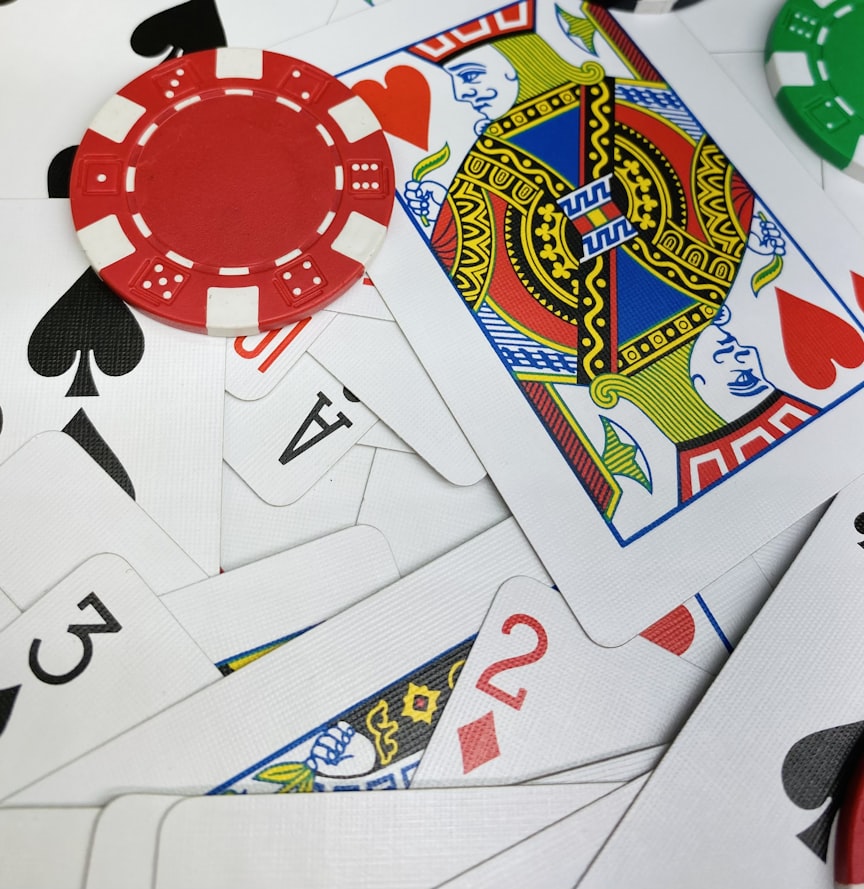
Wild Fortune Casino: A responsible gaming environment
Wild Fortune Casino prioritizes creating a responsible gaming environment for its players. With an extensive collection of games, including real money pokies and table games, the platform aims to offer a safe space for entertainment without promoting excessive risk-taking. The site emphasizes security and provides resources for players to help them manage their gambling habits effectively.
Additionally, Wild Fortune Casino understands the importance of customer support in the gaming experience. By offering assistance and guidance, the casino ensures that players can enjoy their gaming adventure responsibly while keeping the excitement of high-stakes gaming in check. Their commitment to player welfare reflects a broader understanding of the psychological triggers that can influence gambling behavior.